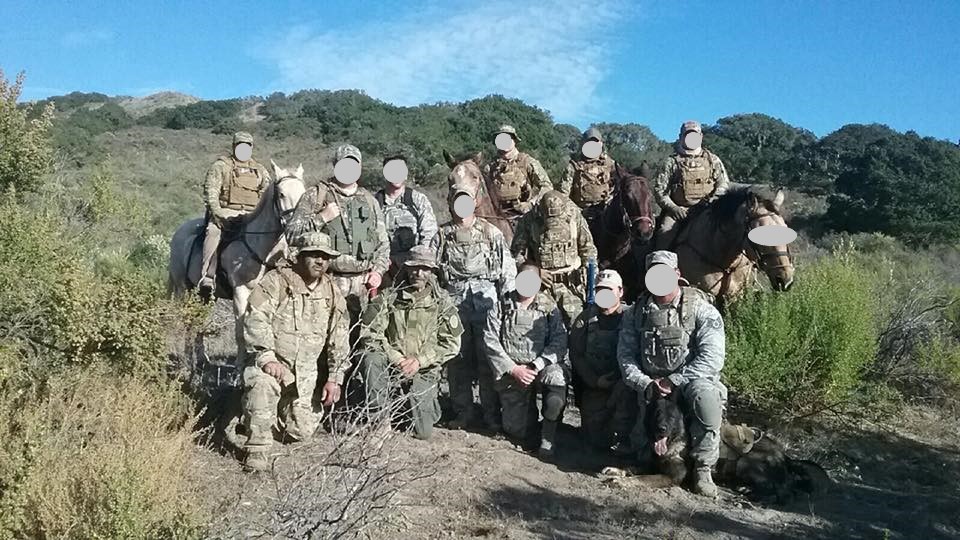
THE PATROL TRACKING TEAM
GENERAL: For law enforcement and incident scene assessment purposes, patrol tracking is a team proposition. Sometimes it takes more than one set of eyes to follow signs. Principally, this is due to the differing angles of view and light that can figure into the tracking process. Secondarily, tracking is a tiring process, and is especially hard on the back and the eyes. As such, team members must periodically trade positions. ASPIRING TRACKERS NEED TO UNDERSTAND THAT TEAMWORK IS ABSOLUTELY NECESSARY FOR TEAM SUCCESS.
The Tracking Team: The basic tracking team is composed of two to three people, the Point Person or Lead Tracker and one to two cover officers who maintain a position next to the tracker. The Point Person is the team leader and controls the speed, direction of travel, and activities of the cover officers. The tracking team is typically arranged in a wedge or inverted ”V” with the lead tracker (point person) in front and the two cover officers are directly to each side and slightly behind the lead tracker.
Note: You can use a four-man team in which you would have the lead tracker or point person, two cover officers, and a communication or control officer. The lead tracker communicates directly with the communication officer, who in turn maintains communication with the cover officers and the command post. If there is no command post, the communication officer will maintain communication with other officers who are working the perimeter of the containment area. Note: if the operation is large, the command post will most likely take over the communications with the officers on the perimeter or containment area. The communication officer is also responsible for keeping a log, documenting the incident and completing the tracking report. The team is arranged in an arrow pattern with the lead tracker (point person) in front and the two cover officers are to each side of the lead tracker (point person). The communication officer is placed directly behind the lead tracker (point person). Note: A log should only be kept if it is safe to do so during the conduct of the tracking operation.
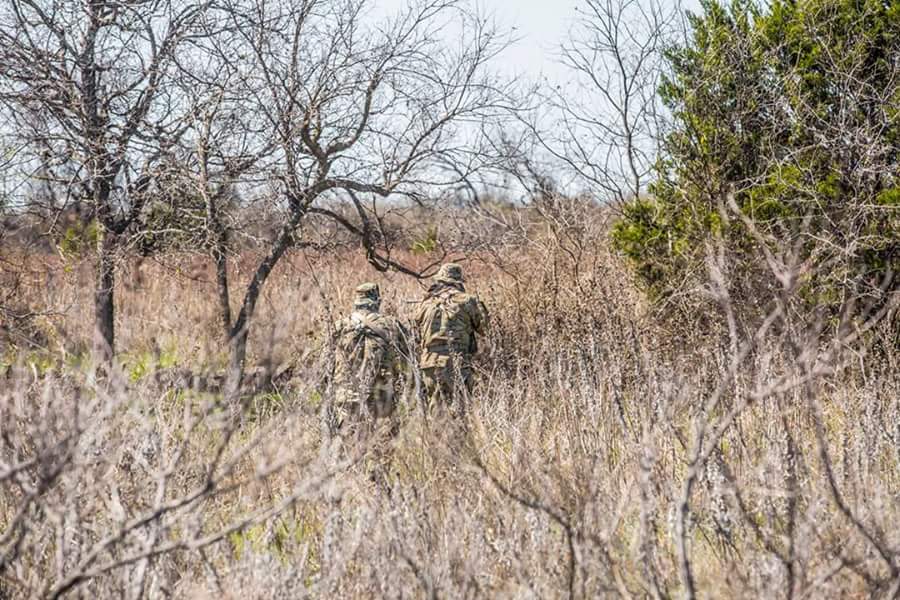
If you do not have enough people to make a three man team, a two man team will work, but the cover officer must be more vigilant.
PRIMARY TRACKER: This person verifies the track and prepares the original tracking report at the point last seen. The primary tracker is the one in charge of any sign found, and verifies and validates any sign found when on a search. At any time, they can be taken to an area where the sign was found to validate the findings. Usually, photographs and reports are done to verify the sign and all the necessary information, but the primary tracker can also be called upon to confirm those findings.
THE COVER OFFICERS: Responsible for protecting the lead tracker and visually searching for the subject. The cover officers are also responsible for keeping the lead tracker (point person) informed of events and changes taking place in the surrounding area or via the radio. The Cover officers are in a position to see any intersecting sign or change in direction of the primary sign, and need to be able to move to positions to clear any danger areas before passing through or by them. They communicate to the lead tracker any evidence that they may see such as intersecting tracks, change in direction, candy wrappers, shell casings, paper, or anything that might indicate human passage. They observe from the ground to the top of their heads any indication that a subject passed through the area.
The fourth member of a team maintains communication with the command post. It is their responsibility to give coordinates of evidence found, maintain a log of direction of travel, the drawings of any foot prints, a sketch of the area traveled, the description of the terrain, evidence found, and GPS coordinates.
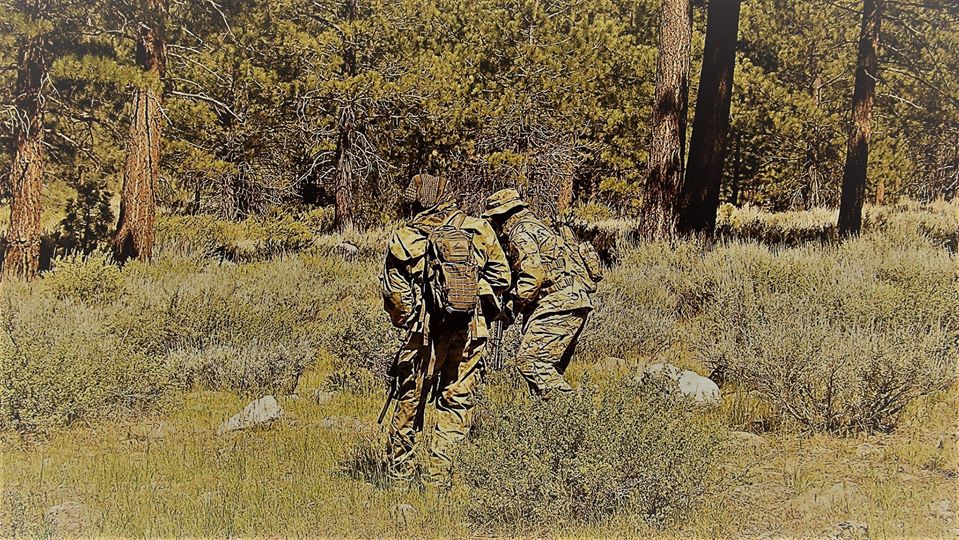
It is extremely important that the lead tracker rotate every 15 minutes. Rotating positions prevents eye strain brought about by the intense concentration on sign and back strain which causes fatigue. It also brings a fresh pair of eyes to the primary sign and allows members to work as a cohesive team.
When practical, it is highly recommended that frequent breaks are taken so that the team can step back from the primary sign and rest to prevent fatigue and give them a new perspective on the sign when they return to track. Mental fatigue will destroy the team’s effectiveness without the team members even being aware of the danger. As time progresses, the team member’s minds will gradually numb to the task and their eyes can cease to see sign.
When the subject/suspect is located. When the subject or suspect is located, the cover officer(s) take the lead and identify themselves to the subject as law enforcement. They should then start providing commands to the subject (example: “Let me see your hands!”) The lead tracker takes the position as the arresting officer. From this point on, each department should follow their own department’s procedures for detainment and or arrest.
 Professional Tracking Services