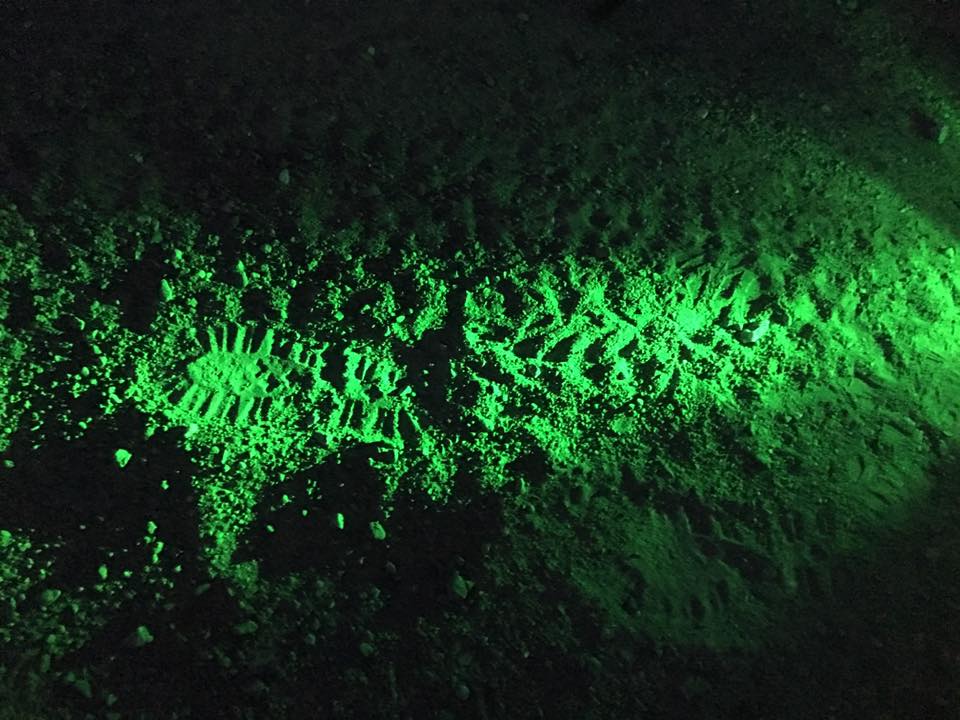
Some people say that tracking at night presents the best type of light environment because, through the use of artificial light, you can control the light angle at all times. The artificial light source should be a large fluorescent flashlight or lantern. The fluorescent light is best because it floods a large area with light, and the light is soft enough so it will not hurt your eyes. Fluorescent lights come in all kinds of shapes and sizes. Just simply find one with which you are comfortable. A light that can be held low to the ground without your having to bend over is recommended. Make sure that the light allows for long use (using a three-cell “D” light lasts longer than a two-cell.) Check out several lights before choosing one you will use in the field. There are many flashlights out on the market that offer an adjustable beam of white light that will illuminate objects at a distance. Headlamps, while useful for walking trails at night, are not to be used for tracking while mounted on your head.
At night, a Blue light is useful for tracking on snow, a Red light makes it easier to track on pine needles, and a Green light works well on grass. Lights are available with lens covers that would be helpful to carry instead of having to carry individual flashlights for each color. Always remember to bring extra batteries and bulbs for your flashlight: it’s difficult to track once your light goes out.
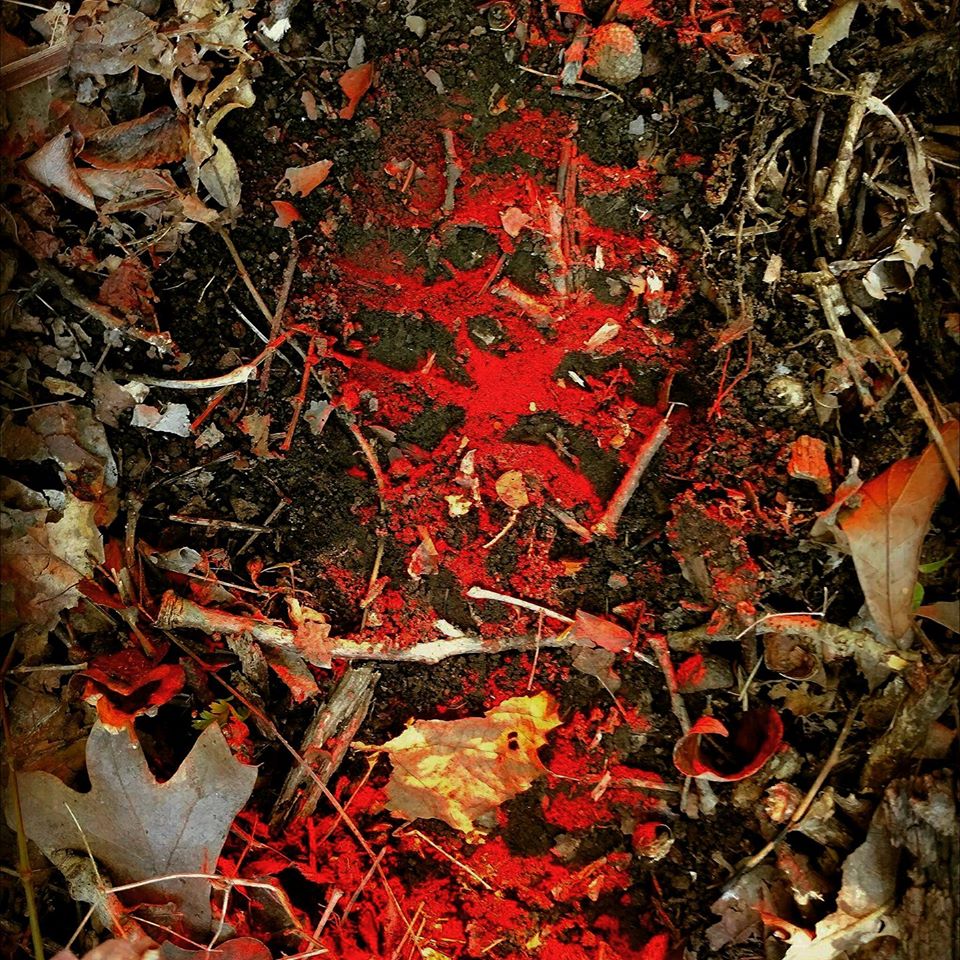
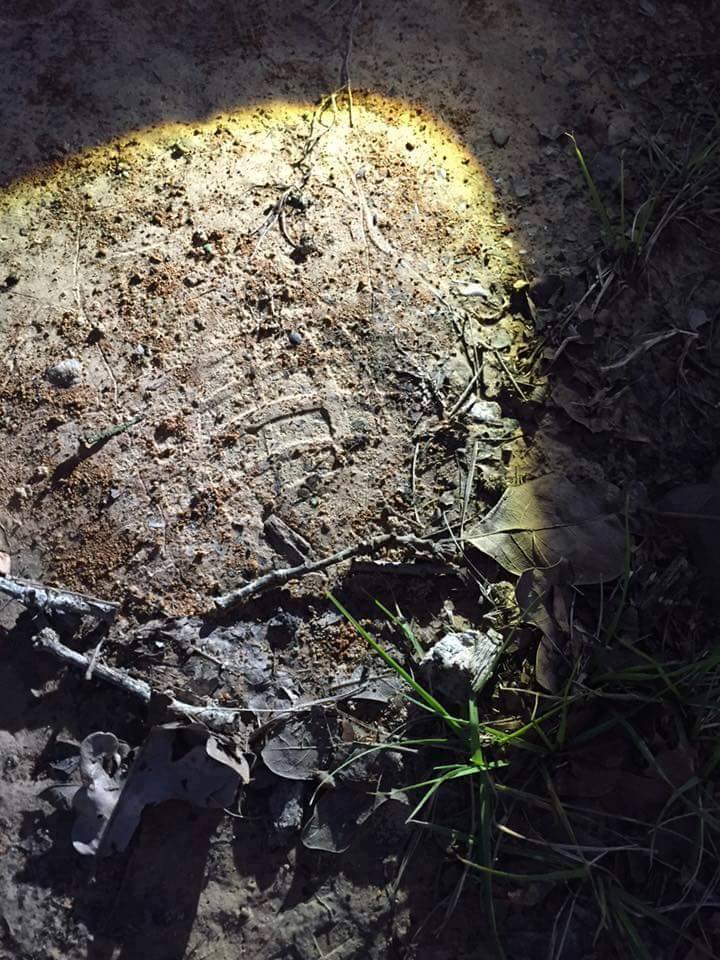
To use the light, simply hold it low and parallel to the ground and look for prints. It is important to remember that while you are working as a team with flankers, the only light that should be used is the one held by the lead tracker. If any other light is on, too many shadows will be created – this can make the prints harder to locate, as well as disorient the tracker. Additionally, having more than one light in use is more likely to give away your position.
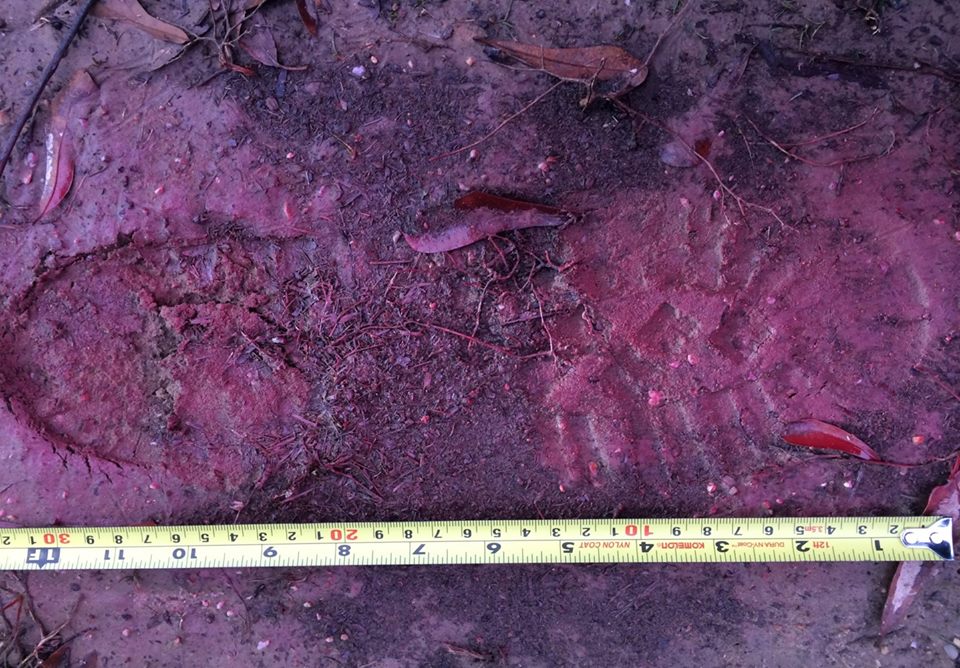
In tactical situations, be careful not to silhouette your team members, which could make them targets for the subject. Also, using a flashlight will give away your position to the subject you are tracking. If at all possible, hold the flashlight away from your body and only conduct nighttime operations when necessary.
The prime benefit of night tracking is that the subject may stop moving, which allows the teams to catch up. Also, going out at night may give the tracker a head start over other search resources which ordinarily wait for daylight. By tracking at night, you can focus your light source on Prime Sign and you tend not to get off track.
As always, you must be vigilant of dangers such as steep terrain, animals, pit falls, etc. Safety comes first. An untrained team member or person poses the greatest danger to a tracking team.
The ability to track at night is crucial because:
1. The subject being followed will generally stop and rest in the darkness, allowing the track team and other searchers to close the gap.
2. Even if the subject continues to travel, they will move slower.
3. Weather conditions may change; animals or other natural causes may destroy the trail.
 Professional Tracking Services