
Stealth requires much more than tiptoeing through the track line and keeping your voice down. If you want to maximize your chances of avoiding detection and getting from point A to B unnoticed, it is essential that you blend in as much as possible, utilizing the fundamentals of camouflage: shape, shine, shadow, silhouette, spacing, movement and light. Additionally, being hard to detect involves making good choices and being mindful of common mistakes that can attract unwanted attention.
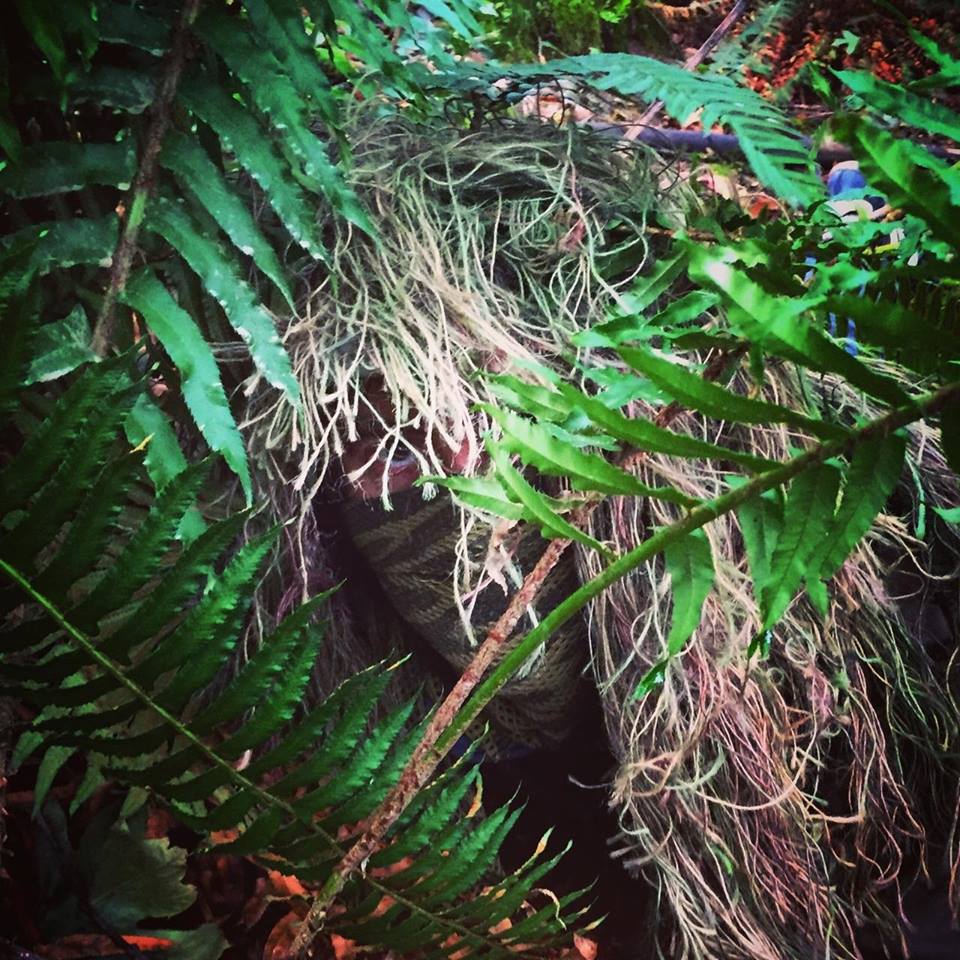
Let’s look at some common mistakes that end up becoming dead giveaways with respect to revealing our location, presence, or direction of travel. The presence of smoke or fire is by far one of the most attention-getting signals that indicate the presence of people nearby—and can be visible and detected for miles. Smoke is very easy to detect during the daytime, whereas fire is very easy to spot in the dark. The direction of smoke is especially obvious when the wind is blowing, making it easier to track down the source. Avoid starting fires at all costs during the daytime if you are in an area that can be seen from a distance; consider using a Dakota fire pit at night to mask the presence of flames. The human nose can detect some scents easier than others, and there are some obvious smells to avoid to maximize your stealth capability: perfumes, cooking fragrant foods, or engaging in activities that will produce smells that stand out from the surrounding area. Keep in mind that odors travel with the wind as well, and it’s important that you situate yourself downwind of potential trackers before releasing any odors into the air.
Sound or noise discipline is another huge factor in remaining undetected. With sound discipline, cell phones going off in the wrong place at the wrong time can compromise a unit’s position. We all can relate to forgetting to turn off the ringer on your phone in church, class, or during a meeting. Doing so in a survival situation can be a life-threatening mistake. Make sure that your phone is off and that there is no chance that your ringtone will give away your position. Subtle Noises are a common way that people get detected. This can be anything from a cough or sneeze to simply talking too loudly. Stepping on twigs, shuffling through leaves, or the sound of footsteps while walking are other common mistakes that people unintentionally make. Be extremely careful, especially in quiet and deserted areas, to avoid making any unnecessary noise. You will be amazed at how easy it is to track someone down simply by listening for subtle sounds.

Footprints and litter are very easy to detect. One should be mindful of where you step as to not leave anything for later detection by others. Make sure that your shoes or boots are dry and free from mud when walking on concrete or grass to help eliminate possible transfer. Try not to make tracks in the snow over exposed ground and avoid disturbing foliage or brush as you move through terrain. Once again, any of these mistakes can reveal your presence and attract unwanted attention. It is essential that you pack your belongings and take them with you from one place to the next: even some litter from food wrappers or little “breadcrumbs” can be enough to alert someone to your movements. In keeping with the fundamentals of camouflage, stay away from bright colors If you want to blend in with the terrain and avoid standing out. Hunters tend to wear brightly colored clothing so others can see them in order to prevent accidental shootings. Wearing inappropriate or bright clothing, even in thick forests, can cause you to stick out like a sore thumb. Do whatever it takes to blend into the background to avoid detection as much as possible.
Movement is very easy for a human eye to pick up. Movement from side to side or quick motions can be detected by even the most amateur tracker staking out an area. If you need to move, make sure that you are blending in with the background as much as possible, utilizing the fundamentals of camouflage. Try to ingress or egress straight in or straight out, utilizing cover and concealment, which will make it harder for the human eye to detect. It only takes one mistake to attract unwanted attention and reveal your current location – as well as direction of travel.
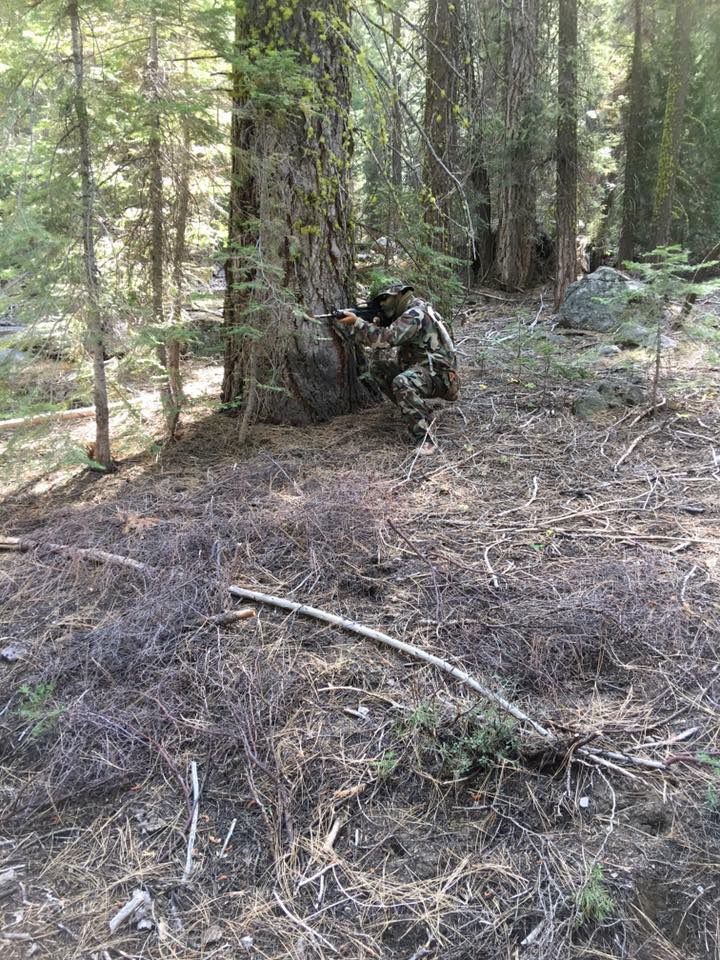
When tactical tracking, a unit should often conduct S.L.L.S.: stop, look, listen and smell. Move in short, easy type movements over short distances. Stop, think, and assess your next move before continuing forward. Be patient, wait for the right time, and never rush. One careless mistake is all that it takes to get discovered—especially true if people are actively searching for you. Take each step as though your life depends on it and avoid these and other careless mistakes at all costs.
 Professional Tracking Services