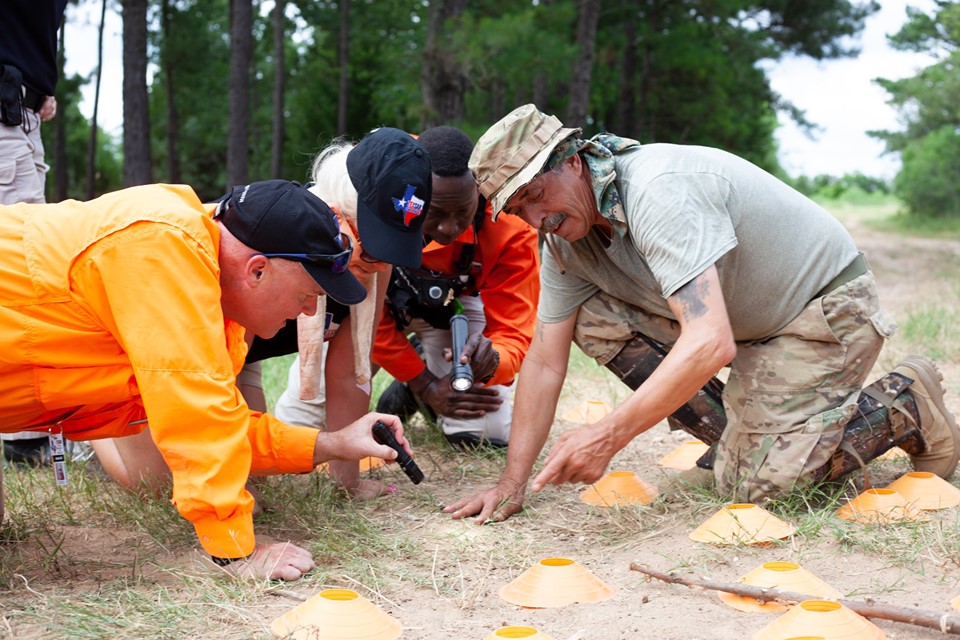
Throughout history, mankind has used the art of tracking as a part of their daily lives and survival. While prehistoric man had to track animals for food, tracking is used today by the military, police, hunters, survival groups, and the search and rescue community.
The art of tracking involves following sign (traces) or footprints, monitoring the course of someone or something and carefully observing and pursuing that target to a successful end. A tracker is someone who has the discipline needed to develop these skills. Like most specialties in the military, law enforcement and Search and Rescue world, tracking involves skills that must be regularly practiced and perfected or the skills will rapidly deteriorate.
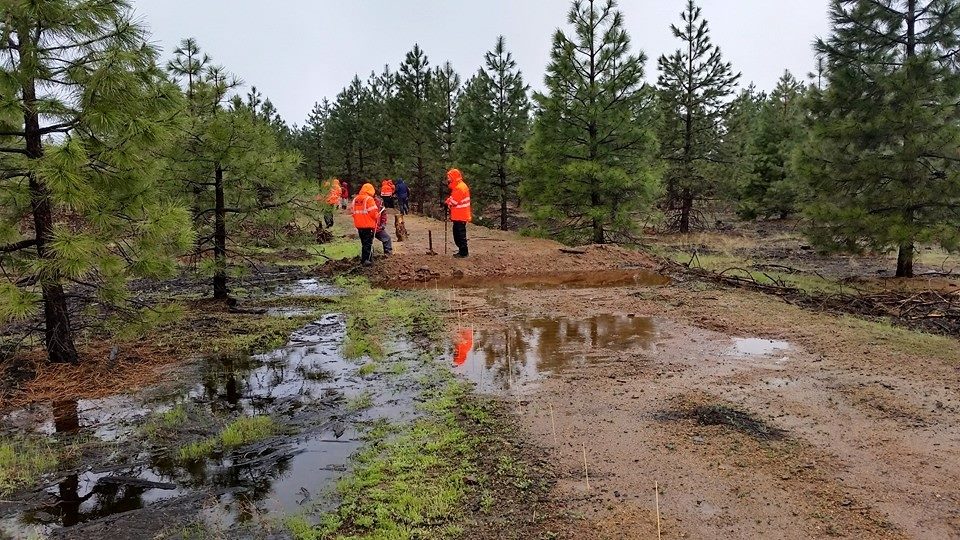
Anything that moves will leave some type of sign that indicates its journey across terrain. Animals, people, and machines all leave signs. A trained and highly skilled tracker can detect and follow that sign
Anything that moves will leave some type of sign that indicates its journey across terrain. Animals, people, and machines all leave signs. A trained and highly skilled tracker can detect and follow that sign
often when untrained persons cannot see anything at all. If it moves over the ground, it must leave sign—and a tracker can identify and follow that sign.
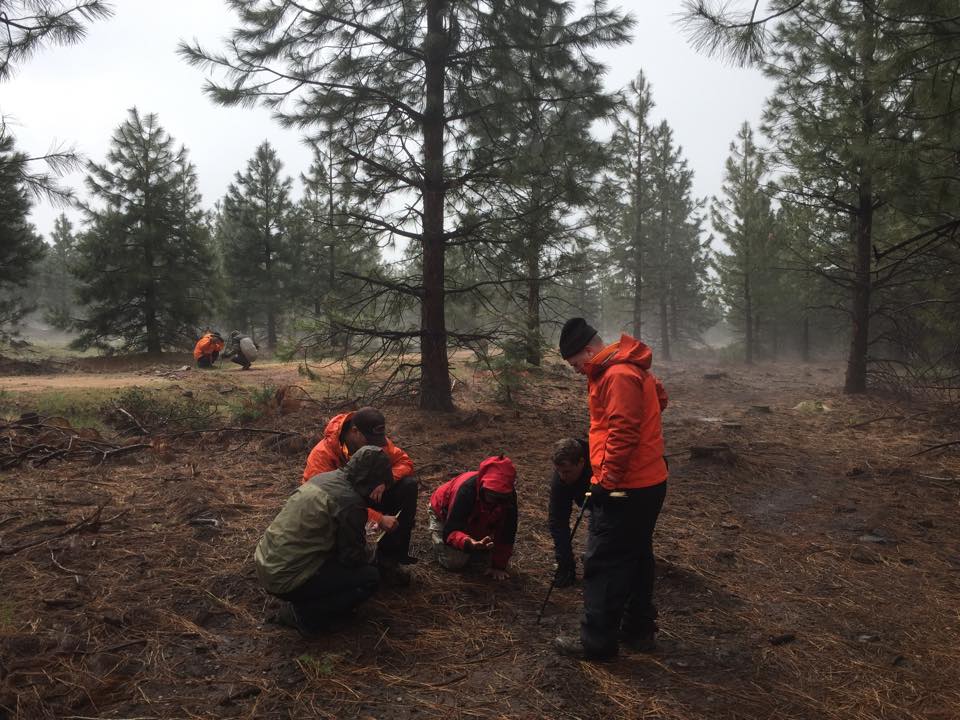
Tracking is increasingly being utilized in the Law Enforcement and Search and Rescue communities. Coordinators cannot simply flood a search area with warm bodies and expect instant results: they must rely on a few highly trained people to use their skills and training to locate lost victims, escapees, or just a person on the run. Among these SAR volunteers are a small group commonly referred to as Trackers. These specially trained people can locate and differentiate sign in order to establish a direction of travel from a point last seen or last known point. By pointing the Search and Rescue coordinator or law enforcement in the right direction, the trackers can assist the search effort in the allocation of those few volunteers into an area of higher probability during the initial stages of a search. In turn, the probability of the search success is higher.
The use of a specific kind of tracking called visual tracking is an invaluable tool to the ground searcher. Visual tracking is the art of tracking the man-made types of sign. One of the most obvious types of man-made sign is the footprint.
For those people who believe that distinguishing a single footprint from another and following it is too simple a task, I recommend that you go to your local park and try it. If you can follow a single set of tracks for 1 mile in less than 30 minutes, then you are quite exceptional indeed. A tracker that has developed and practiced these skills can easily do that and much, much more. Imagine being able to tell your search and rescue coordinator or law enforcement not only the direction of travel but also the approximate speed, height, weight, mental attitude and tendencies of the subject you are tracking. Pretty cool huh!
The art of tracking is a time-honored tradition and has been proven over and over again. Not only is this skill used to find lost or missing subjects, but also in even more specific scenarios. Man-made sign is physical evidence. This means that visual tracking is also a valuable law enforcement tool. The same skills can be used to track fugitives and escapees. It can also be used to locate, identify, discriminate, and interpret sign in a crime scene. A person’s intentions and actions can be read from signs they leave, often linking a specific subject to the crime scene and the criminal act.
There is much to learn, and to develop the skills required to become a competent and reputable tracker involves a great deal of dedication and time. In my experience, I have taught and used the art of visual tracking successfully an uncountable number of times to locate lost subjects, escapees, and investigate crime scenes resulting in felony convictions. However, I believe tracking is a specialized skill that needs to be included as a part of every law enforcement agencies and search and rescue organization. It is a skill that requires little to no modern technology, which can fail and cause complications on a search. It has been proven to be very valuable in my area of operation and I am quite certain it would be just as valuable in yours, wherever that may be.
 Professional Tracking Services